
The new downtown Atlanta, GA pilot project showcases how recycled tires can help build quieter, more durable, and more sustainable roads.
As cities across the country search for innovative ways to improve infrastructure while reducing environmental impact, Liberty Tire Recycling is helping drive the transition to more sustainable roads through its role in ATLDOT's Ellis Street resurfacing project in downtown Atlanta.
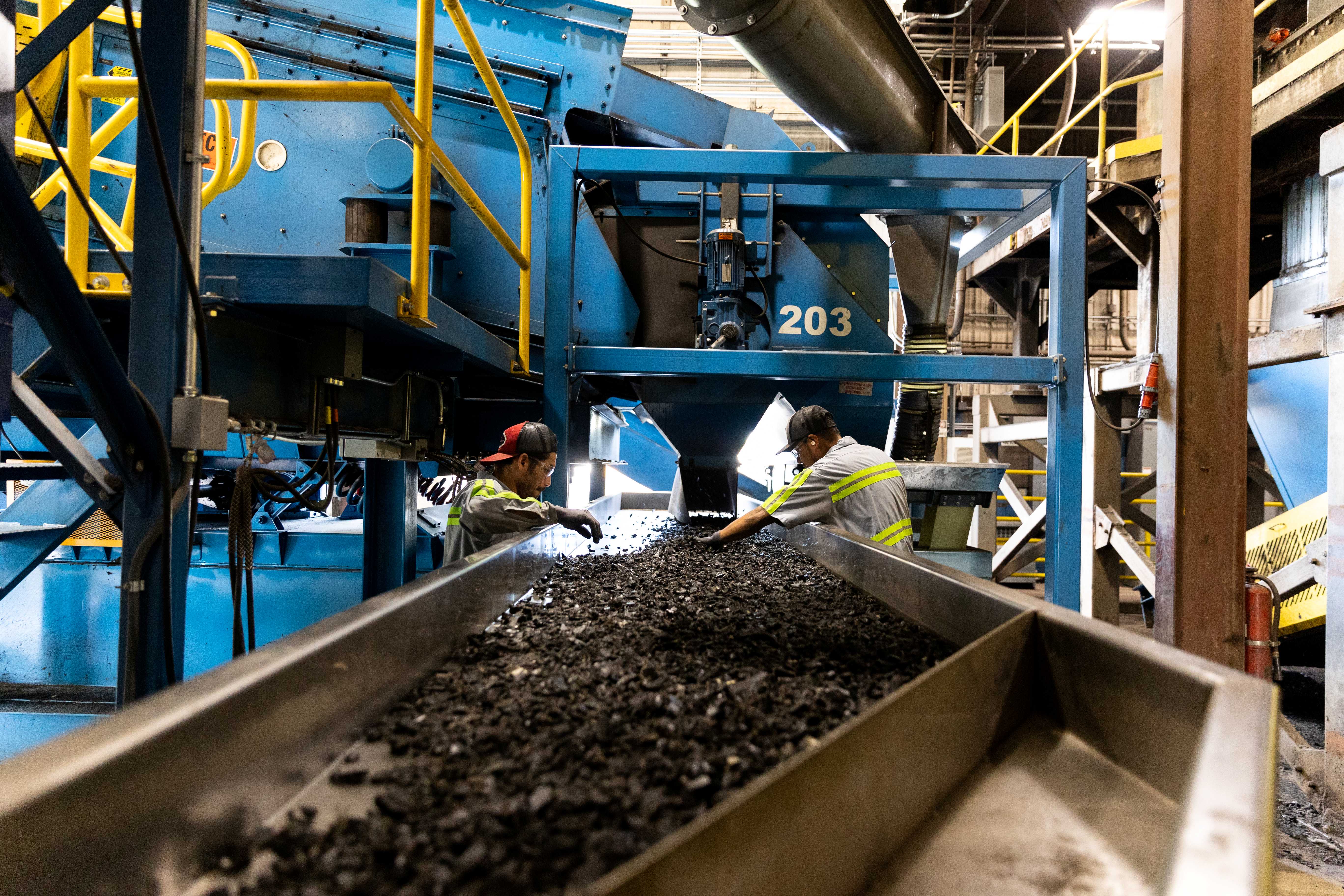
To support local durability, sustainability, and circular economy goals, Liberty transforms end-of-life tires into high-performance roadway materials. We do this by supplying recycled tire rubber for the project's Rubber Modified Asphalt (RMA) mix.
The project highlights the growing role of sustainable pavement technologies in urban transportation and showcases the value of creating end-use markets for recycled tires. Through a collaborative partnership with ATLDOT, The Ray, the University of Georgia, and Liberty Tire Recycling, this pilot project is helping pave the way for a more circular economy in Georgia.
Together, these organizations are evaluating how recycled tires can contribute to safer, more resilient, and more sustainable transportation infrastructure. This project is unique as it aims at testing whether RMA can help with the urban heat effect, which occurs when cities and developed areas become significantly warmer than surrounding rural areas because roads, buildings, parking lots, and other surfaces absorb and retain heat from the sun.
Ellis Street Resurfacing Project Brings Sustainable Innovation to Downtown Atlanta, GA
Recycled Tires Get a Second Life on Atlanta Roads
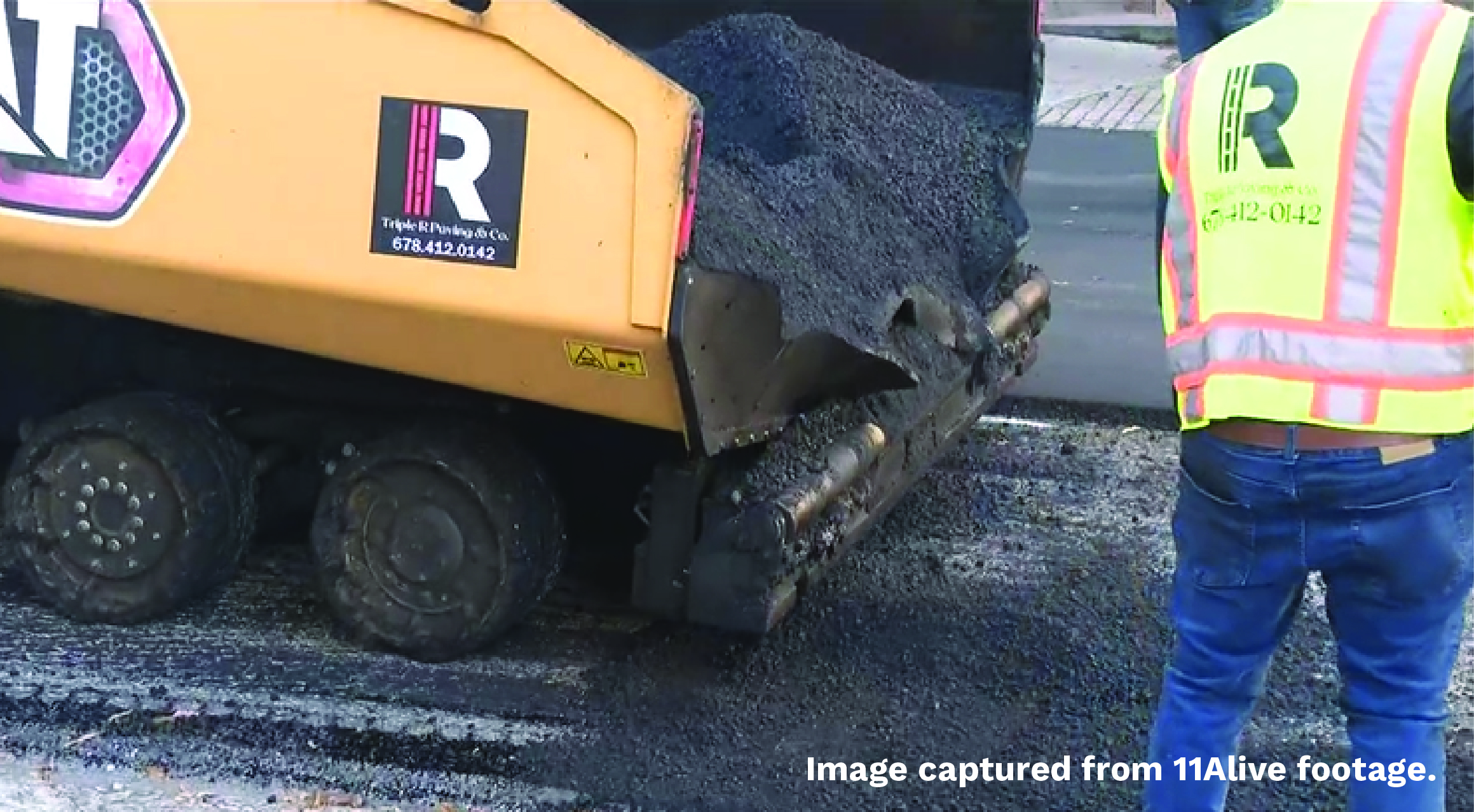
The Ellis Street resurfacing project will cover approximately one-third of a mile, connecting downtown Atlanta to Interstate 75/85. The roadway will utilize approximately 500 tons of Rubber Modified Asphalt mix, incorporating recycled tire rubber into the pavement structure.
The project is expected to recycle the equivalent of more than 500 passenger vehicle tires, turning what was once a waste stream into a valuable infrastructure resource.
For Liberty Tire Recycling, this initiative represents the type of market-driven sustainability solution that creates environmental benefits while supporting stronger, longer-lasting roads and circular economy.
The Ellis Street project builds on other rubber-modified asphalt projects led by Liberty Tire Recycling in Georgia earlier this year:
- Bulloch County partnered with Liberty Tire Recycling and Century Road Solutions to install mechanical concrete on a 0.58-mile stretch, aiming to create a longer-lasting, lower-maintenance alternative to traditional dirt and gravel roads. Learn more about the project here.
- Floyd County received a Georgia County Excellence Award for its Rubber-Modified Asphalt Initiative, which uses recycled tire materials to improve road durability and reduce waste. The program, supported by Liberty Tire Recycling’s SmartMIX® technology, demonstrates how recycled rubber can be integrated into cost-effective, sustainable infrastructure projects. Learn more about the project here.
Liberty Tire Recycling's Role in Supporting Sustainable Roads
Creating End Markets for Scrap Tires Across Georgia
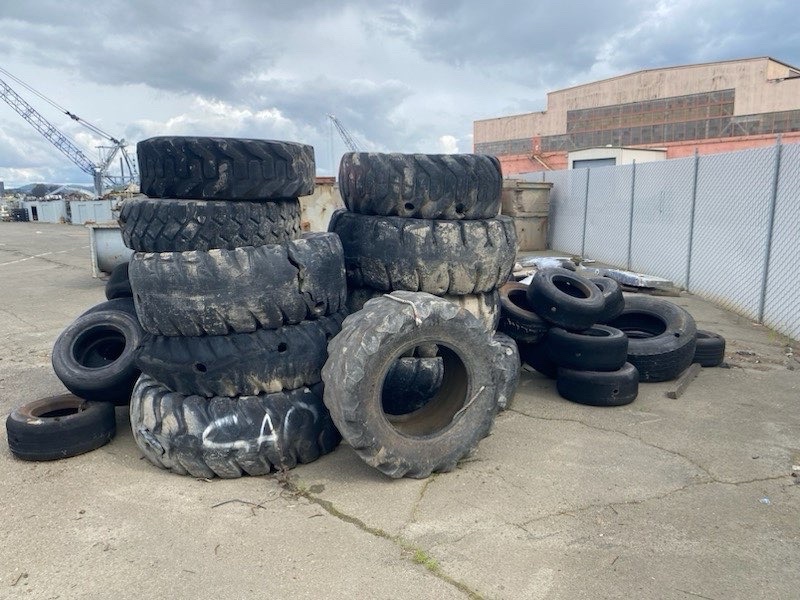
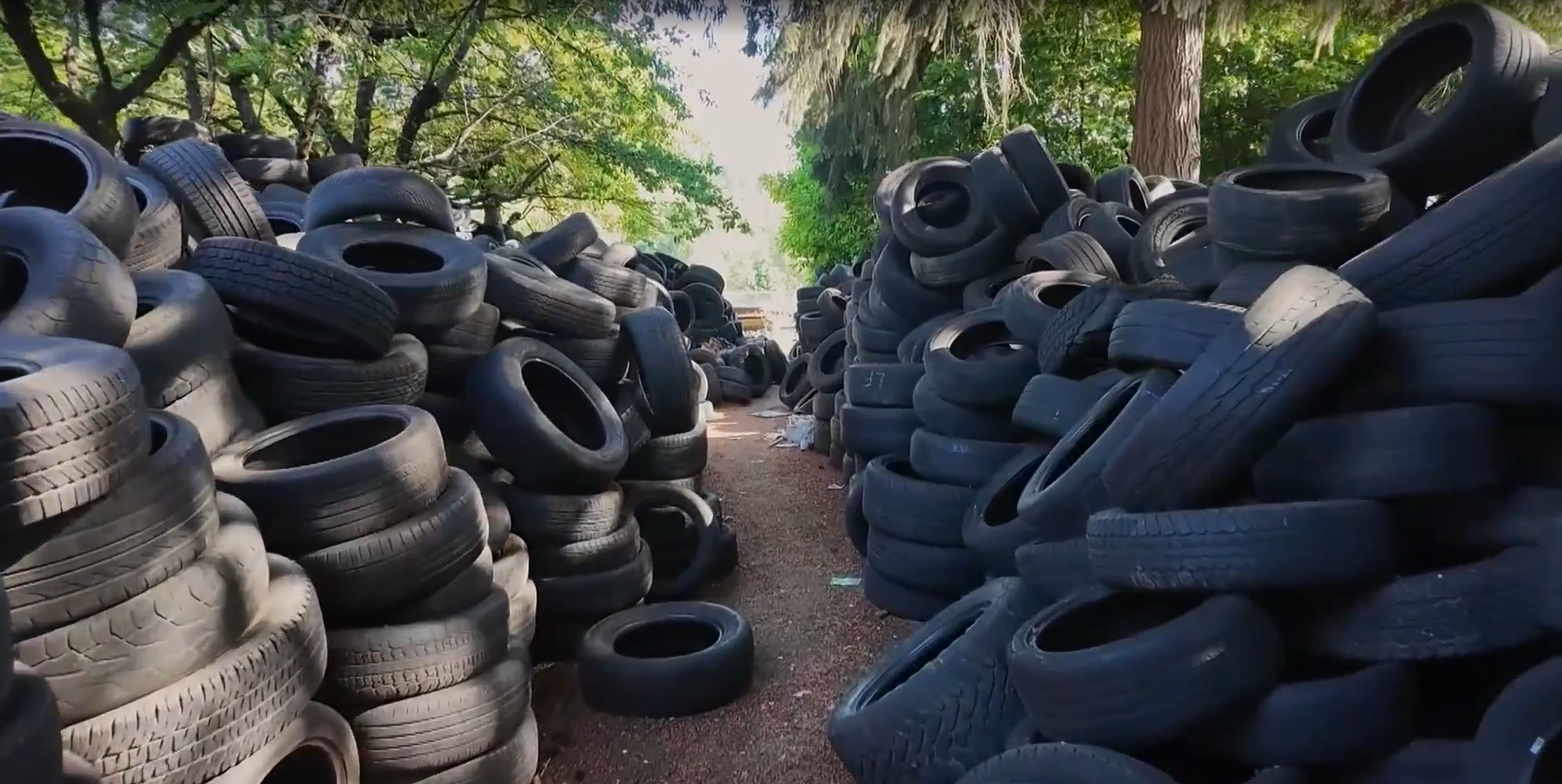
Every year, Liberty Tire Recycling helps divert millions of tires from Georgia landfills and waste streams, processing them into valuable, recycled products that support industries ranging from transportation and construction to landscaping and sports surfaces.
Through processing facilities in Atlanta, Calhoun, and Jackson, Georgia, Liberty transforms end-of-life tires into granulated rubber materials that can be incorporated into applications such as Rubber Modified Asphalt.
The Ellis Street project demonstrates how recycling infrastructure in Atlanta, GA can directly support local infrastructure improvements, creating environmental and economic benefits within the same community.
By connecting tire recycling with innovative pavement technologies like rubberized asphalt, Liberty helps close the loop on tire waste while supporting sustainable transportation solutions.
Learn more about what rubberized asphalt is, how it works, and why it matters by reading this article or by visiting our products page.
Frequently Asked Questions (FAQ)
Q: What is Rubber Modified Asphalt (RMA)?
A: Rubber Modified Asphalt is a pavement material that incorporates crumb rubber produced from recycled tires into asphalt mixtures to enhance roadway performance and support sustainability goals.
Q: How many tires are expected to be recycled through the Ellis Street project?
A: The project is expected to utilize approximately 500 tons of Rubber Modified Asphalt mix, equivalent to recycling more than 500 passenger vehicle tires.
Q: Who supplies the recycled tire rubber for the project?
A: Liberty Tire Recycling supplies the recycled tire material used in the Rubber Modified Asphalt mix.
Q: Where does Liberty Tire Recycling process tires in Georgia?
A: Liberty operates tire recycling facilities in Atlanta, Calhoun, and Jackson, Georgia.
Q: What are the environmental benefits of Rubber Modified Asphalt?
A: Potential benefits include reduced roadway noise, improved pavement durability, lower environmental impacts, reduced landfill waste, and mitigation of urban heat island effects.
Q: What is the Urban Heat Effect?
A: The urban heat island effect (UHI) occurs when cities become warmer than surrounding rural areas because surfaces like roads, parking lots, buildings, and traditional asphalt absorb heat from the sun during the day and slowly release it at night. This retained heat can keep urban areas significantly warmer, particularly after sunset, leading to increased energy use for cooling, higher greenhouse gas emissions, reduced outdoor comfort, greater heat-related health risks, and added stress on infrastructure and local ecosystems.
Q: Who are the partners involved in the Ellis Street pilot project?
A: The project is a collaboration among ATLDOT, the University of Georgia, The Ray, and Liberty Tire Recycling.
Q: Why is this project important?
A: The pilot demonstrates how recycled materials can be incorporated into critical infrastructure projects while supporting sustainability, innovation, and circular economy.
Key Takeaways
- ATLDOT is utilizing Rubber Modified Asphalt to resurface Ellis Street in downtown Atlanta, GA.
- The project will incorporate recycled tire rubber equivalent to more than 500 passenger vehicle tires.
- Liberty Tire Recycling diverts millions of tires annually from Georgia landfills and waste streams.
- RMA can help create quieter, more durable, and more sustainable roadways.
- The pilot project showcases the value of partnerships between government, academia, nonprofits, and industry leaders.
- The initiative advances circular economy principles by transforming end-of-life tires into high-value transportation infrastructure materials.