

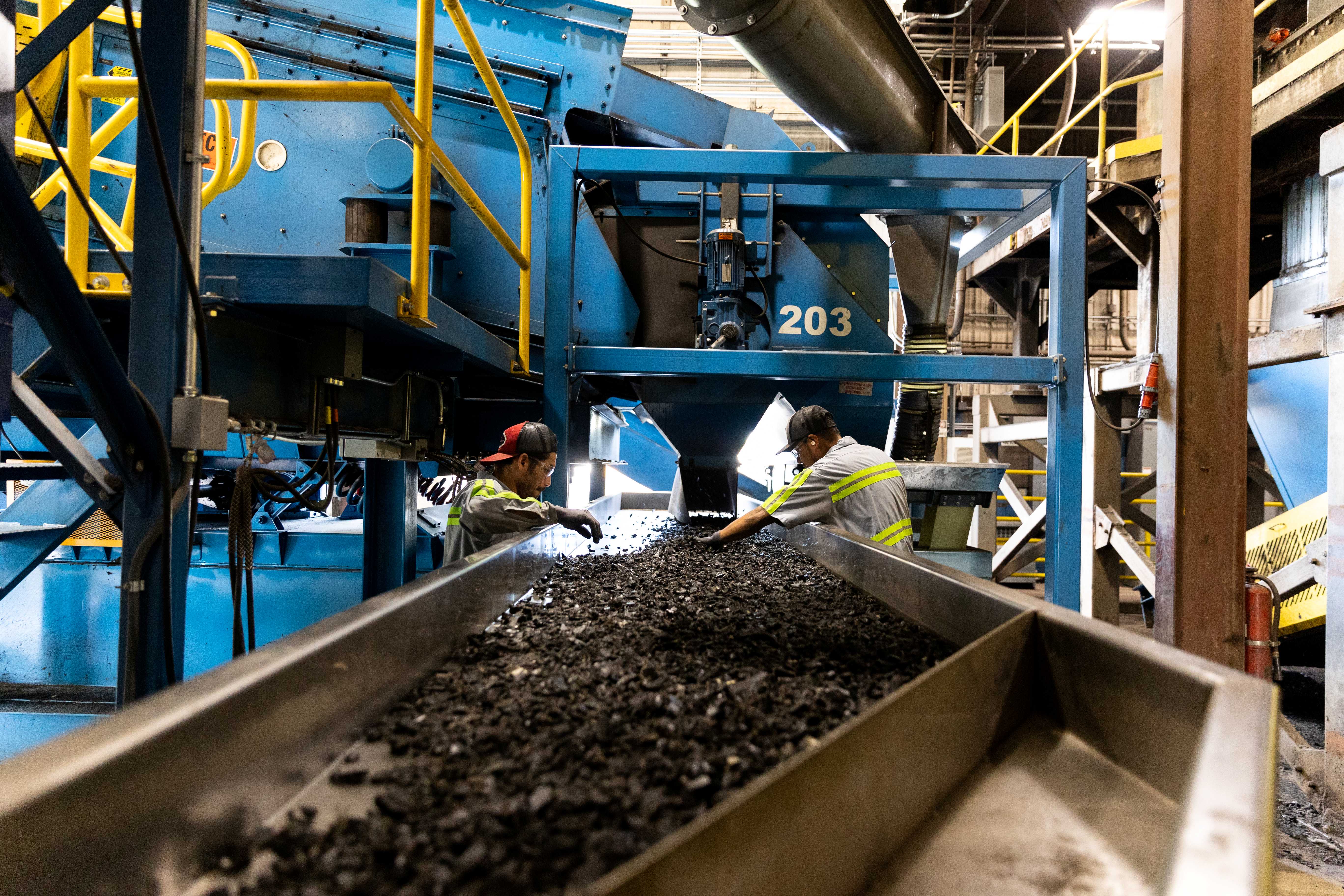
As recycling companies look for cost-effective ways to expand capacity and meet operational demands, used and refurbished shredding and granulating equipment continues to gain popularity. Rising equipment costs and shorter project timelines are leading more processors to view secondhand machinery as a practical alternative to purchasing new.
According to Mike Hinsey, Equipment and Technology Specialist at Liberty Tire Recycling, the key to a successful investment starts with quality.
"Make sure you start by buying what is, or was, a quality piece of machinery to start with," says Hinsey.
While used equipment can offer significant savings and faster availability, buyers should carefully evaluate a machine's condition, maintenance history and ownership documentation before making a purchase. Hinsey recommends inspecting equipment in person whenever possible and ensuring the machine has been properly maintained.
At Liberty Tire Recycling, where shredders and granulators play a critical role in processing end-of-life tires, experience has shown that well-maintained used equipment can provide strong performance and long-term value. However, buyers should understand that used machinery may come with greater maintenance requirements and limited warranty coverage compared with new equipment.
For sellers, keeping equipment operational and available for demonstration can help build buyer confidence. Seeing a machine run under power provides valuable insight into its condition and performance.
Whether equipment is new, used or refurbished, long-term success depends on following manufacturer-recommended operating and maintenance practices. Routine inspections, bearing lubrication, knife changes, gearbox maintenance and filter replacements all help maximize reliability and extend equipment life.
As demand for flexible, cost-conscious recycling solutions grows, used shredding and granulating equipment remains an attractive option for companies seeking proven performance, shorter lead times and a lower upfront investment.
Read the full Recycling Today article here.
Key Takeaways
- Used equipment is becoming a strategic investment. Rising capital costs and the need for shorter project timelines have made used and refurbished shredders and granulators a practical option for many recyclers.
- Quality matters more than age. A well-built, properly maintained machine can deliver significant value, while a lower-quality machine may continue to present issues regardless of refurbishment.
- Inspect before you buy. Whenever possible, buyers should evaluate equipment in person and see it operating under power to better assess its condition and performance.
- Maintenance history is a strong indicator of value. The condition of a machine often reflects how it was operated and maintained throughout its service life.
- Verify ownership and documentation. Clear title, a valid bill of sale and confirmation that there are no outstanding liens are critical before completing a purchase.
- Used equipment can reduce costs and lead times. Recyclers may gain access to proven technology faster and at a lower upfront cost than purchasing new machinery.
- Ongoing maintenance remains essential. Following manufacturer-recommended maintenance schedules helps maximize reliability, uptime and equipment lifespan.
FAQs
Q: Why would a recycler choose used shredding or granulating equipment?
A: The most common reasons are cost savings and equipment availability. Used machinery can often be acquired and installed more quickly than new equipment while requiring a lower capital investment.
Q: Is used equipment a good alternative to buying new?
A: In many cases, yes. When the machine comes from a reputable manufacturer, has been properly maintained and meets operational requirements, used equipment can provide excellent value and reliable performance.
Q: What should buyers look for when evaluating used equipment?
A: Buyers should review the machine's maintenance history, inspect its overall condition, verify ownership documentation, and, whenever possible, observe the equipment operating under power.
Q: Why is it important to inspect equipment in person?
A: Photos and descriptions do not always reveal the full condition of a machine. An on-site inspection allows buyers to identify wear, evaluate maintenance practices, and confirm that the equipment performs as expected.
Q: What are some common risks associated with used machinery?
A: Potential risks include increased maintenance requirements, shorter or nonexistent warranty coverage, and the possibility of unexpected downtime. These factors should be considered when evaluating the purchase price.
Q: How can buyers reduce the risk of purchasing used equipment?
A: Working with reputable sellers, inspecting equipment before purchase, reviewing maintenance records and confirming clear ownership documentation can help minimize risk.
Q: What legal considerations should buyers keep in mind?
A: Before purchasing equipment, buyers should ensure they receive a clear bill of sale and confirm there are no liens, UCC filings or other claims against the asset.
Q: What maintenance practices are most important for shredders and granulators?
A: Routine bearing lubrication, knife inspections and replacements, gearbox oil changes, filter replacement and regular equipment inspections are all important for maintaining reliable performance.
Q: Does refurbished equipment offer advantages over standard used equipment?
A: Often, yes. Professionally refurbished equipment may undergo inspection, repair and replacement of worn components, helping restore performance and reliability while still offering a lower cost than new equipment.
Q: How can operators maximize the lifespan of used recycling equipment?
A: Following manufacturer-recommended operating procedures, performing preventive maintenance on schedule and addressing wear items before they cause larger issues can help extend equipment life and maximize uptime.