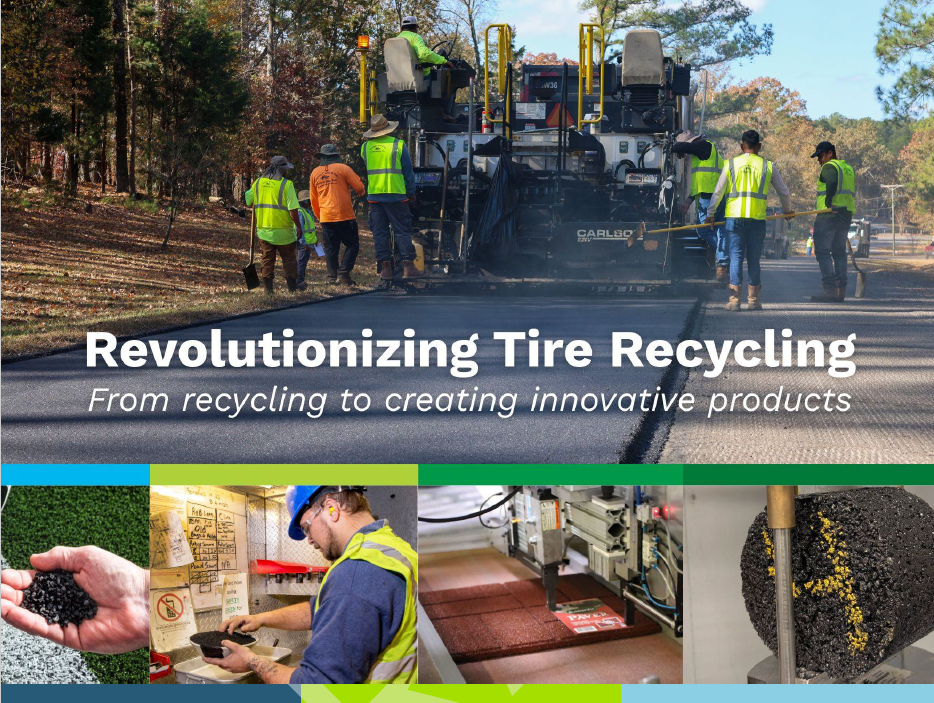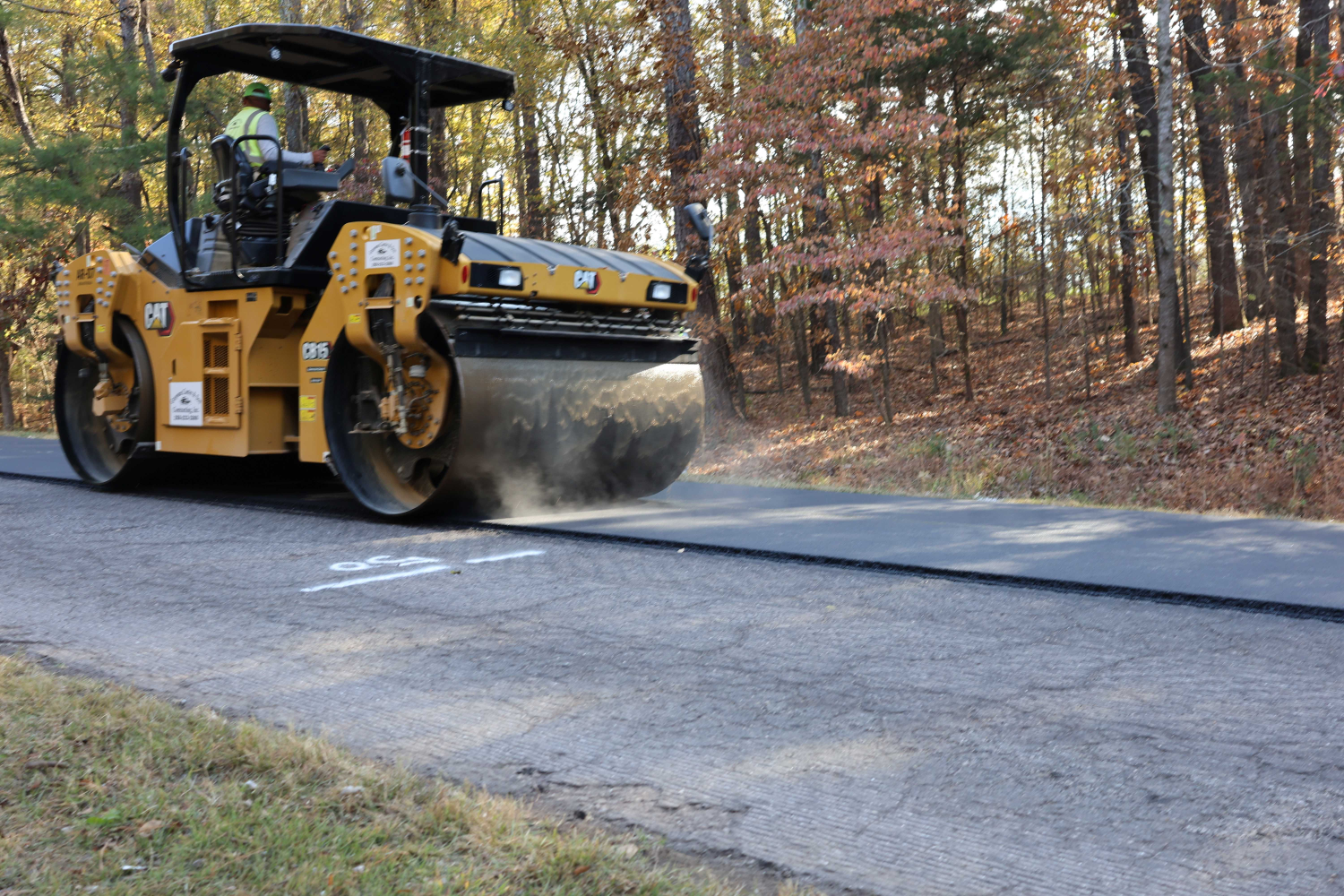
A recent rubber-modified asphalt project on Ellis Street in Atlanta, Georgia is demonstrating the real-world benefits of incorporating recycled tire rubber into roadway infrastructure. One year after installation, city officials reported positive results, including improved durability, reduced road noise, and enhanced driving conditions.
For the tire recycling industry, these outcomes reinforce what decades of research, testing, and field applications have already shown: rubber-modified asphalt can help communities build more resilient roads while creating valuable new uses for end-of-life tires.
Atlanta Demonstrates Community and Pavement Benefits of RMA
According to officials from the Atlanta Department of Transportation, the city's initial rubber-modified asphalt installation has delivered many of its anticipated benefits. The roadway has shown strong performance after its first year while also providing a quieter driving experience and contributing to efforts that may help reduce urban heat impacts in disadvantaged communities.
The city is now evaluating opportunities to expand the use of rubber-modified asphalt across additional corridors because of its encouraging early performance.
For transportation agencies, these advantages can translate into:
- Longer-lasting road surfaces
- Reduced maintenance requirements
- Fewer repair-related traffic disruptions
- Improved ride quality
- Lower lifecycle infrastructure costs
- Increased use of recycled materials in public works projects
These benefits are particularly important as municipalities work to maximize infrastructure investments while advancing sustainability goals.
Longer Pavement Life Creates Lasting Value
While rubber-modified asphalt may require a higher initial investment than traditional pavement, its extended service life often delivers greater value over time.
According to Stratton Kirton, vice president of sustainability at Liberty Tire Recycling, roads built with rubber-modified asphalt can last approximately 40% longer, potentially extending pavement life by three to five years compared to conventional asphalt applications. A longer-performing road means fewer maintenance cycles, lower long-term costs, and less disruption for drivers.
As transportation leaders evaluate future infrastructure investments, rubber-modified asphalt continues to offer a practical solution that turns a recycling challenge into a durable, high-performing roadway asset.
Read the full article by visiting this link.
Why Atlanta's Experience Matters Beyond Georgia
Successful projects like Atlanta's provide municipalities and transportation agencies with real-world performance data that can help inform future infrastructure decisions. As communities across the country seek ways to extend pavement life, reduce maintenance costs, and incorporate more sustainable materials into public works projects, early results from rubber-modified asphalt installations offer valuable insights. Demonstrated success in one market can help build confidence among engineers, policymakers, and transportation leaders, evaluating recycled tire rubber as a long-term roadway solution.
Key Takeaways
- Atlanta's first rubber-modified asphalt roadway has delivered positive early results, including improved durability and reduced road noise.
- Rubber-modified asphalt incorporates recycled tire rubber into pavement, creating a more flexible and resilient road surface.
- Roads built with rubber-modified asphalt can last approximately 40% longer, extending pavement life by three to five years.
- Longer-lasting roads can help reduce maintenance costs, minimize traffic disruptions, and improve lifecycle value for taxpayers.
- Using recycled tire rubber in infrastructure supports sustainability goals and advances circular economy.
Frequently Asked Questions
Q. What is rubber-modified asphalt?
Rubber-modified asphalt is pavement made by incorporating recycled tire rubber into the asphalt binder. This improves flexibility, durability, and overall road performance compared to traditional asphalt.
Q. How long does rubber-modified asphalt last?
While performance varies by climate, traffic volume, and road design, rubber-modified asphalt can extend pavement life by approximately three to five years and increase lifespan by around 40% compared to conventional asphalt.
Q. Does rubber-modified asphalt reduce road noise?
Yes. Many communities report quieter roadways because rubber-modified asphalt helps absorb sound and reduce tire-pavement noise. Atlanta officials cited reduced noise among the observed benefits of their project.
Q. Is rubber-modified asphalt environmentally friendly?
Yes. It creates a beneficial use for recycled tires, reduces waste, and supports circular economy initiatives by transforming scrap tires into valuable infrastructure materials.
Q. Why doesn't every state use rubber-modified asphalt?
Adoption varies due to procurement requirements, agency specifications, budget considerations, and familiarity with the technology.
Q. How does Liberty Tire Recycling support rubberized asphalt projects?
Liberty Tire Recycling processes end-of-life tires into high-quality recycled rubber products, including crumb rubber solutions used in asphalt applications. Through innovative recycling and material recovery programs, the company helps support more sustainable infrastructure projects throughout North America.