

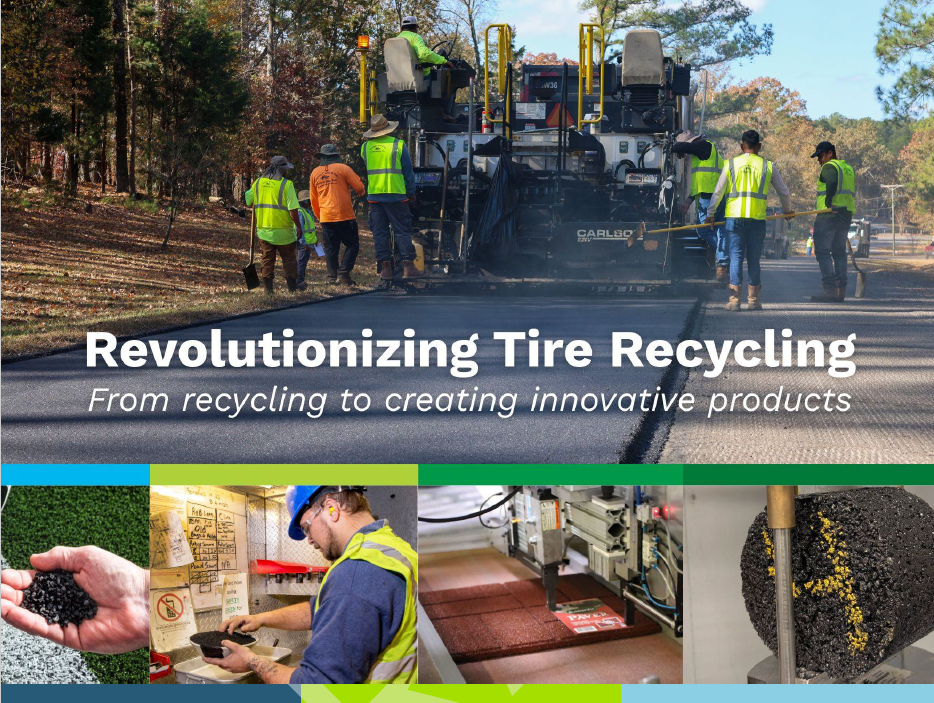
Liberty Tire Recycling released the industry's first U.S. company-commissioned lifecycle assessment (LCA) focused on rubber-modified asphalt solutions derived from recycled tires.
Commissioned by Liberty and conducted by Boundless using internationally recognized lifecycle assessment methodology, the assessment evaluated the environmental impacts of the company's asphalt-related products and compared them to conventional alternatives used in asphalt modification.
The assessment marks an important milestone for the rubber-modified asphalt industry. While environmental benefits are often cited as a key advantage of using recycled tire materials in road construction, this analysis provides quantified data to support those claims.
Measuring Environmental Impact of Rubber-Modified Asphalt Products
The lifecycle assessment examined greenhouse gas emissions associated with Liberty's rubber-modified asphalt solutions across their lifecycle.
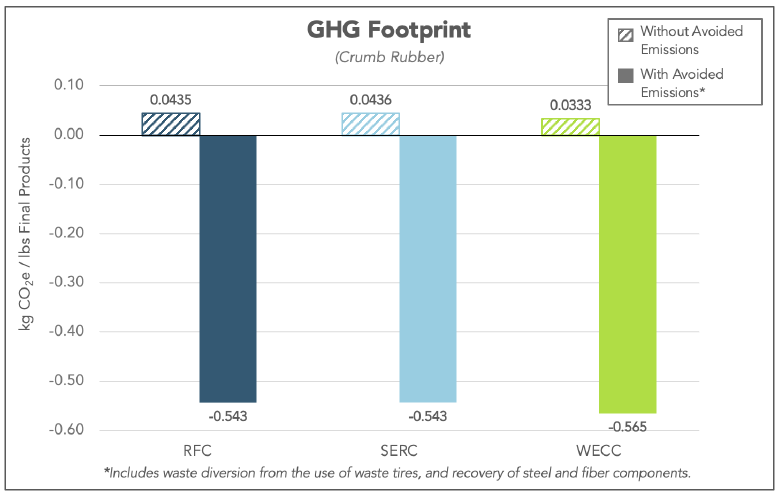
The results showed that Liberty's asphalt products delivered significantly lower greenhouse gas impacts than conventional SBS polymer modifiers. The analysis also found that the environmental benefits associated with recovering and reusing end-of-life tire materials outweigh the impacts of processing those materials.
These findings provide transportation agencies, engineers, contractors, and infrastructure stakeholders with data-driven insights to support material selection decisions.
Taking A Closer Look at the Lifecycle Assessment Findings
The LCA examined four of Liberty Tire Recycling’s products – crumb rubber and three asphalt additives such as dry mix rubber additives, DOT additive, and combined micronized rubber powder (MRP) with the Rheopave® additive, and here is what you need to know about the analysis findings:
Liberty’s dry mix rubber additives generated the largest carbon benefit measured in the assessment, avoiding as much as 0.577 kg CO₂e for every pound produced.
Compared with traditional SBS asphalt modifiers, Liberty’s tire-derived products delivered more than 100% lower greenhouse gas footprint.
Every Liberty product assessed in this LCA study generated a net environmental benefit, with greenhouse gas reductions ranging from 0.47 to 0.57 kilograms of CO₂e per pound produced.
Advancing Industry Transparency
As sustainability becomes an increasingly important consideration in infrastructure projects, lifecycle assessments are emerging as a critical tool for evaluating environmental performance.
By commissioning this study, Liberty is helping establish a benchmark for measuring and communicating the environmental impacts of rubber-modified asphalt technologies.
As the industry leader, Liberty Tire believes transparent, science-based data will play an increasingly important role as public agencies and industry leaders evaluate solutions that support both infrastructure performance and environmental objectives.
Key Takeaways
- Liberty Tire Recycling commissioned the industry's first known lifecycle assessment (LCA) focused on rubber-modified asphalt solutions derived from recycled tires.
- The study provides quantified environmental data for rubber-modified asphalt, an area that historically lacked published lifecycle assessment research.
- Liberty's rubber-modified asphalt products demonstrated lower greenhouse gas impacts than conventional SBS polymer alternatives.
- The assessment found that the environmental benefits associated with recovering and reusing end-of-life tire materials outweigh the impacts of processing them.
- The results provide transportation agencies, engineers, contractors, and policymakers with science-based data to support infrastructure material decisions.
- The study reinforces Liberty's commitment to transparency, innovation, and measurable sustainability outcomes in road construction.
FAQs
Q: What is Rubber-Modified Asphalt?
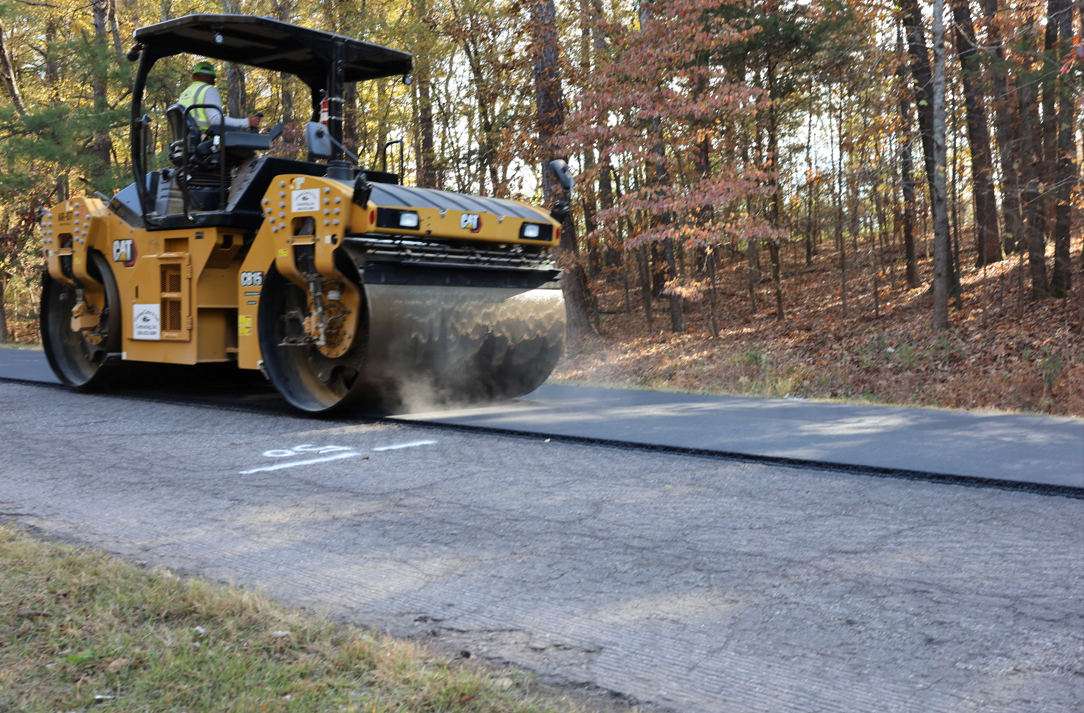
Crumb rubber is added to traditional asphalt to give the asphalt material more flexibility and resistance to cracking. Recycled tire rubber can increase a road’s durability, make it quieter, and increase skid resistance to make it safer for drivers.
Q: What is a lifecycle assessment (LCA)?
A lifecycle assessment is a scientific method used to measure the environmental impacts associated with a product throughout its lifecycle, including raw material sourcing, manufacturing, transportation, use, and end-of-life management.
Q: Why did Liberty commission this study?
Liberty commissioned the study to quantify the environmental impacts of its rubber-modified asphalt solutions and provide objective, data-driven evidence of their environmental benefits.
Q: Why is this study significant?
This is the first lifecycle assessment conducted on rubber-modified asphalt solutions derived from recycled tires. The study helps establish a benchmark for measuring and communicating the environmental performance of these materials.
Q: What products were evaluated in the assessment?
The study evaluated Liberty's asphalt-related technologies, including crumb rubber, SmartMIX™, DOT Additive® and TRXP®, and compared their environmental impacts to conventional asphalt modification alternatives.
Q: What is SmartMIX™?
A line of dry mix rubber additives for high-performance paved surfaces and is a next generation technology for rubberized asphalt. It uses proprietary technology to provide a pre-swelled, reacted rubber particle that can be simply incorporated into an asphalt mixture at the mix plant.
Q: What are the assessment findings?
The assessment found that Liberty's rubber-modified asphalt technologies have lower greenhouse gas impacts than conventional SBS polymer modifiers. It also found that the environmental benefits associated with tire material recovery and reuse outweigh the impacts of processing those materials.
Q: Who can benefit from this research?
State and local transportation agencies, pavement engineers, contractors, consultants, policymakers, and infrastructure owners can use the findings to better understand the environmental impacts of material choices in road construction projects.
Q: How does this study demonstrate Liberty's industry leadership?
By investing in independent lifecycle assessment research and publicly sharing the results, Liberty is helping advance transparency and providing the asphalt industry with data that can support more informed infrastructure and sustainability decisions.