
Bulloch County Tests Innovative Road Foundation Using Recycled Tires
Bulloch County, Georgia, is piloting an innovative road foundation technology designed to extend road life, lower maintenance costs, and reuse large volumes of scrap tires, all while upgrading one of the county’s busiest dirt roads.
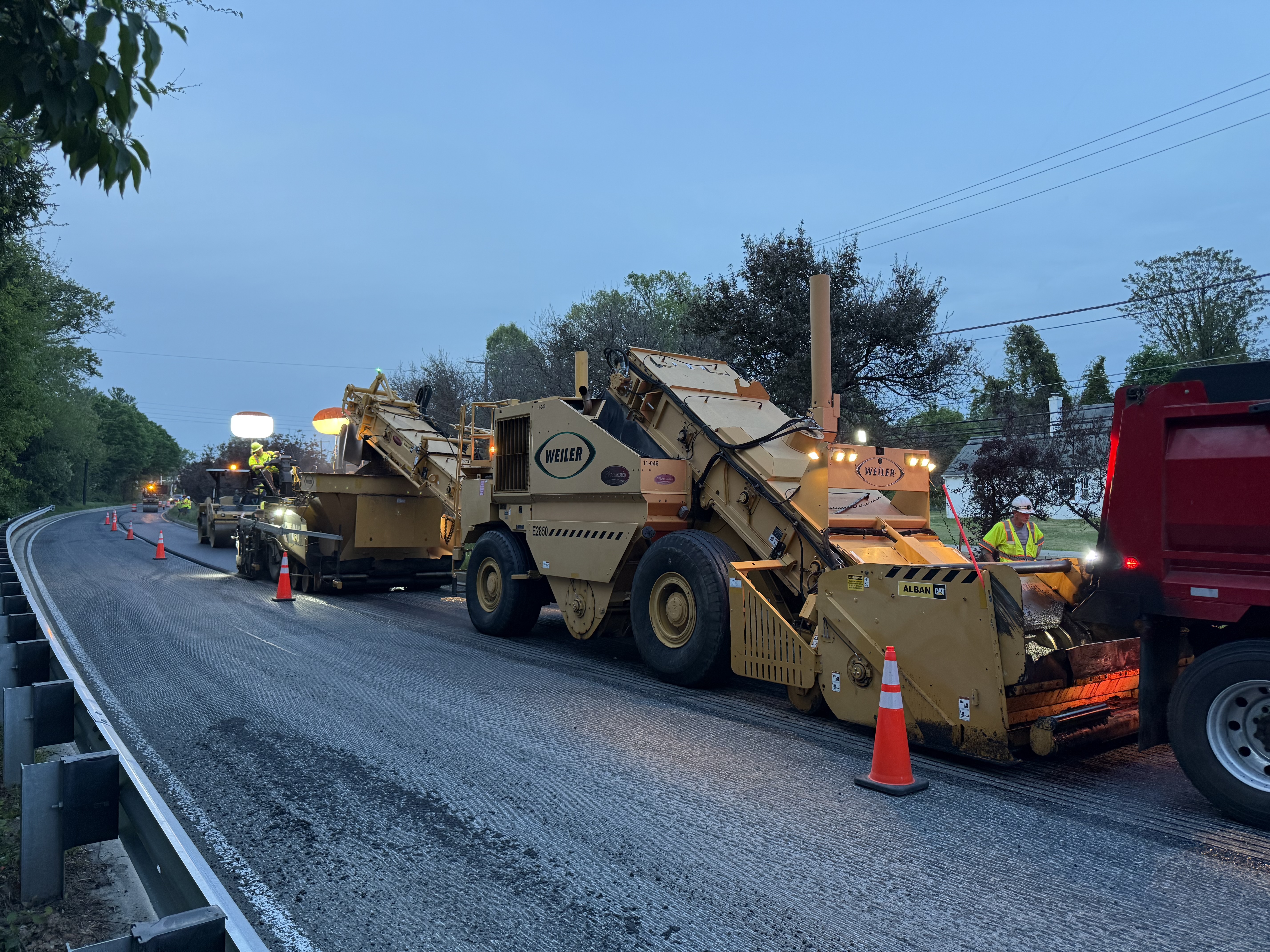
With support from a state environmental grant, county crews are installing mechanical concrete on a segment of Five Chop Road outside Statesboro, offering a potential model for maintaining rural roadways more efficiently and sustainably.
A New Approach to Upgrading Dirt Roads
Five Chop Road is one of Bulloch County’s most heavily traveled unpaved roads, making it an ideal candidate for testing new infrastructure solutions.
The county partnered with Liberty Tire Recycling and Century Road Solutions to install mechanical concrete on a 0.58-mile stretch, aiming to create a longer-lasting, lower-maintenance alternative to traditional dirt and gravel roads.
The project is funded by a $250,000 Tire Products Grant from the Georgia Environmental Protection Division (EPD).
How Mechanical Concrete Works
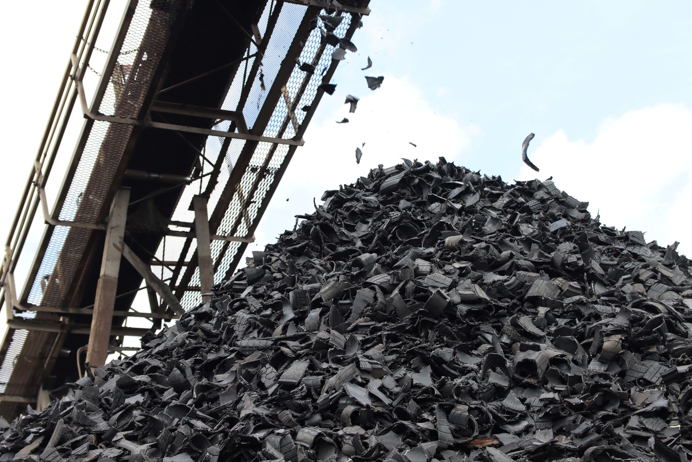
Mechanical concrete is a foundation system that stabilizes roads by locking aggregate into place using recycled tire materials.
- Scrap tires are processed into cylindrical or honeycomb-like structures.
- The tire-based framework is laid along the roadbed.
- Aggregate (stone gravel) is layered into and over the structure.
- The confined aggregate cannot shift, erode, or form potholes.
- The surface remains flat and drivable with minimal upkeep.
Century Road Solutions CEO Mike Getz says the design eliminates common dirt-road problems such as potholes and washboarding.
“You won’t have a pothole, so it solves that problem, and it will last a hundred years,” Getz said.
The technology has more than 15 years of field use, including industrial and mining roads subjected to extreme weight and traffic, without requiring follow-up repairs.
Cost and Sustainability Benefits
The Five Chop Road project demonstrates how recycled tire products can deliver both economic and environmental value.
- An estimated 200,000 recycled tires have already been reused in Georgia through this process.
- Liberty Tire Recycling manages approximately 10 million scrap tires annually across the Southeast.
- The system offers a high-volume reuse solution for end-of-life tires, keeping them out of landfills.
- Reduced need for grading, resurfacing, and repairs lowers long-term maintenance costs.
Bulloch County estimates paving one mile of asphalt road costs around $1 million. With mechanical concrete, nearly two miles of road foundation can be improved for the same cost as paving one mile.
Looking Ahead
County leadership plans to closely monitor the road’s durability before expanding use of mechanical concrete elsewhere.
Bulloch County is also exploring a partnership with Georgia Southern University’s asphalt and road maintenance program to independently study the road’s long-term performance.
With 638 miles of dirt roads countywide, officials say even modest reductions in maintenance requirements could generate substantial savings over time.
“If we find that this is effective and beneficial,” Bennett said, “it’s something that will continue.”
Key Takeaways
- Bulloch County is piloting mechanical concrete on Five Chop Road.
- The project targets one of the county’s busiest dirt roads.
- Mechanical concrete uses recycled tire structures to stabilize aggregate.
- The approach reduces potholes, maintenance, and long-term costs.
- Liberty Tire Recycling provides a scalable, sustainable tire reuse solution.
- The county will evaluate expansion after performance monitoring.
FAQ: What Is Mechanical Concrete?
What is mechanical concrete? Mechanical concrete is a road foundation system that uses recycled tire-based structures filled with aggregate to create a stable, erosion-resistant base.
How does it improve dirt roads? By locking aggregate into place, the system prevents potholes, rutting, and washboarding, common problems on dirt and gravel roads.
How long does it last? According to Century Road Solutions, roads built with mechanical concrete have shown no structural failures in over 15 years of use and are projected to last decades.
Is this an environmentally friendly solution? Yes. It repurposes large volumes of scrap tires, offering a sustainable alternative to disposal while reducing the need for repeated road repairs.
Could this save taxpayer money? If adopted more broadly, mechanical concrete could significantly lower maintenance costs across Bulloch County’s extensive dirt road network.